

A beautiful garden doesn’t have to drain your wallet. With a bit of creativity and a few afternoons of effort, you can transform even the smallest yard or patio into a space that feels intentional and alive — most of these projects cost under $20 to get started.
Whether you’re gardening for the first time or just tired of spending on store-bought décor, these 11 budget-friendly garden ideas will help you get growing without overspending.
1. Upcycled Planters
Old buckets, tin cans, wooden crates, even worn-out boots — almost anything can become a planter with a drill and a free afternoon.
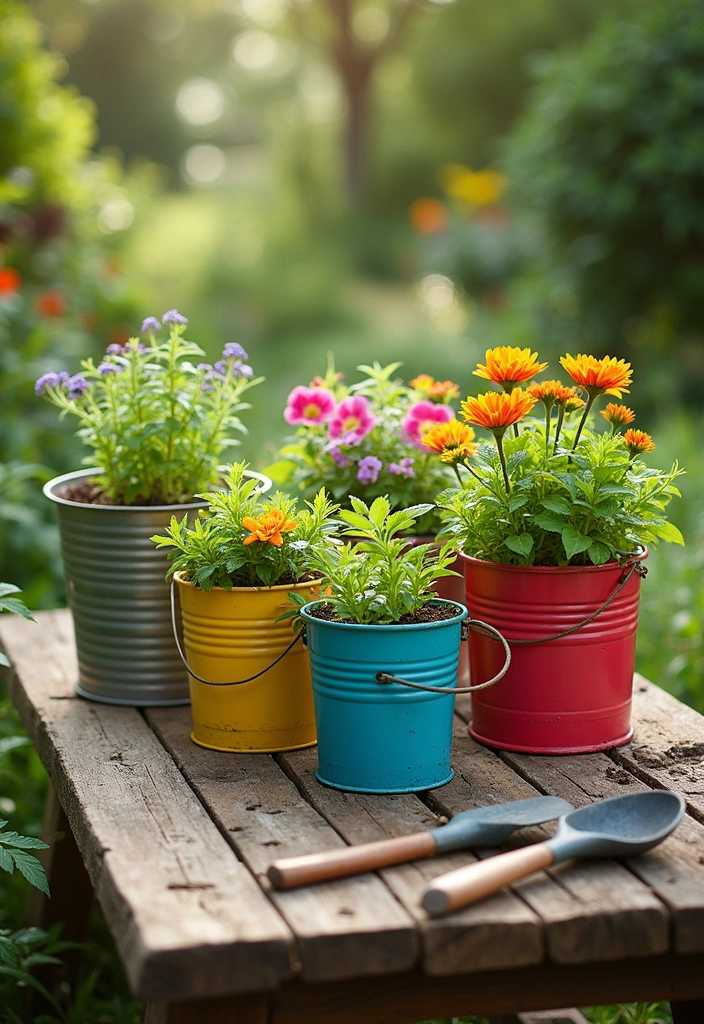
How to do it: Drill 3-4 drainage holes in the base, add a layer of gravel or broken pottery shards for drainage, then fill with potting soil. Avoid anything that previously held chemicals (like old paint cans) unless it’s been thoroughly cleaned.
This is one of the easiest ways to add personality to a garden while keeping usable items out of the landfill.
2. Vertical Gardens
If your space is tight — a balcony, a narrow side yard, a rented apartment patio — growing upward instead of outward solves the problem fast.
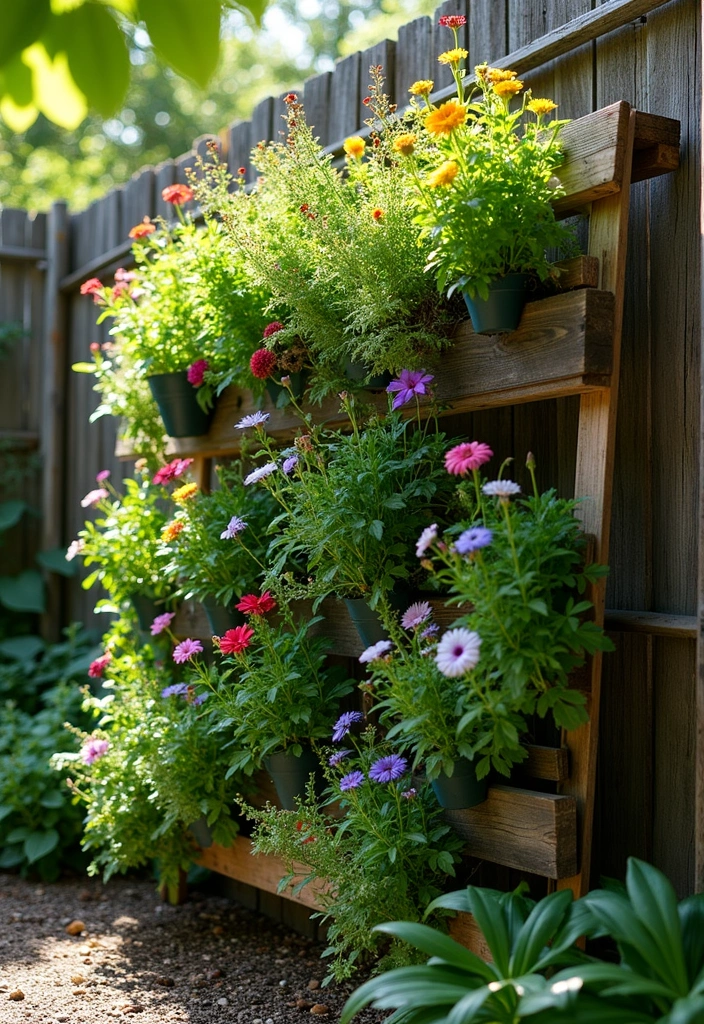
A simple wooden pallet, stood on end and lined with landscape fabric, works as a ready-made vertical planter. Wall-mounted pocket planters or a repurposed shoe organizer are equally effective for herbs and small flowering plants. Vertical gardens also tend to get better airflow, which can mean fewer fungal issues than ground-level beds.
3. Herb Spiral
An herb spiral is a raised, coiled mound of soil that creates several distinct microclimates in one small footprint — dry and sunny near the top, cooler and moist toward the base.
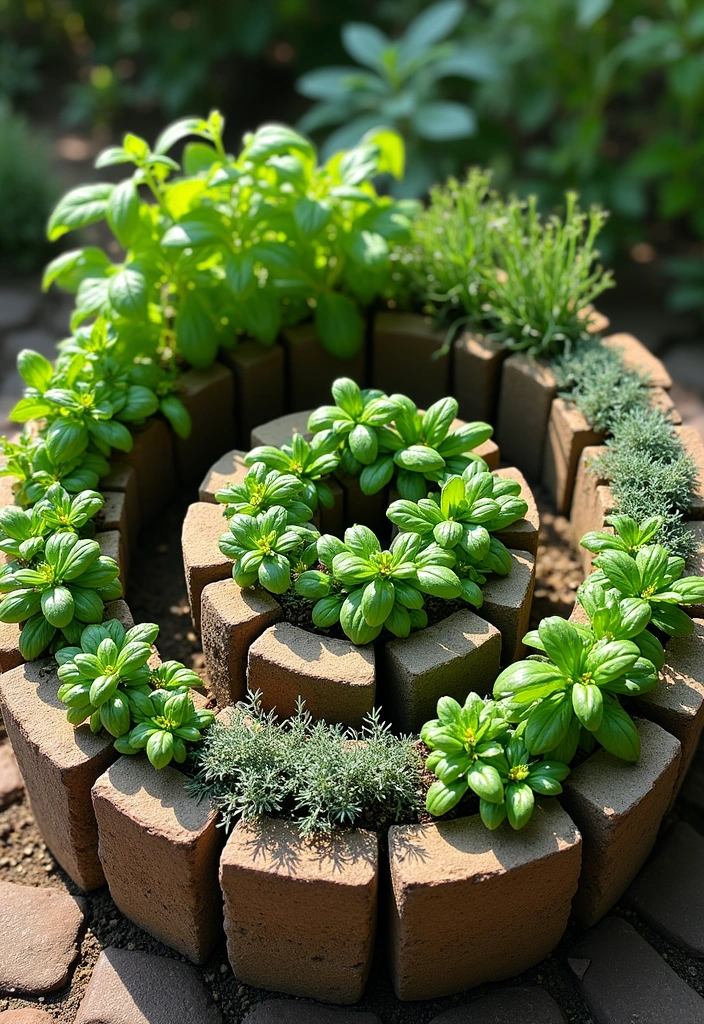
That means you can grow rosemary and thyme (which like it dry) just a foot away from mint or parsley (which prefer more moisture) without them competing. Build one with stacked stones, bricks, or even leftover pavers in a tight spiral roughly 3 feet across.
4. DIY Compost Bin
A basic compost bin built from wood pallets or wire mesh costs next to nothing and turns kitchen scraps into free fertilizer within a few months.
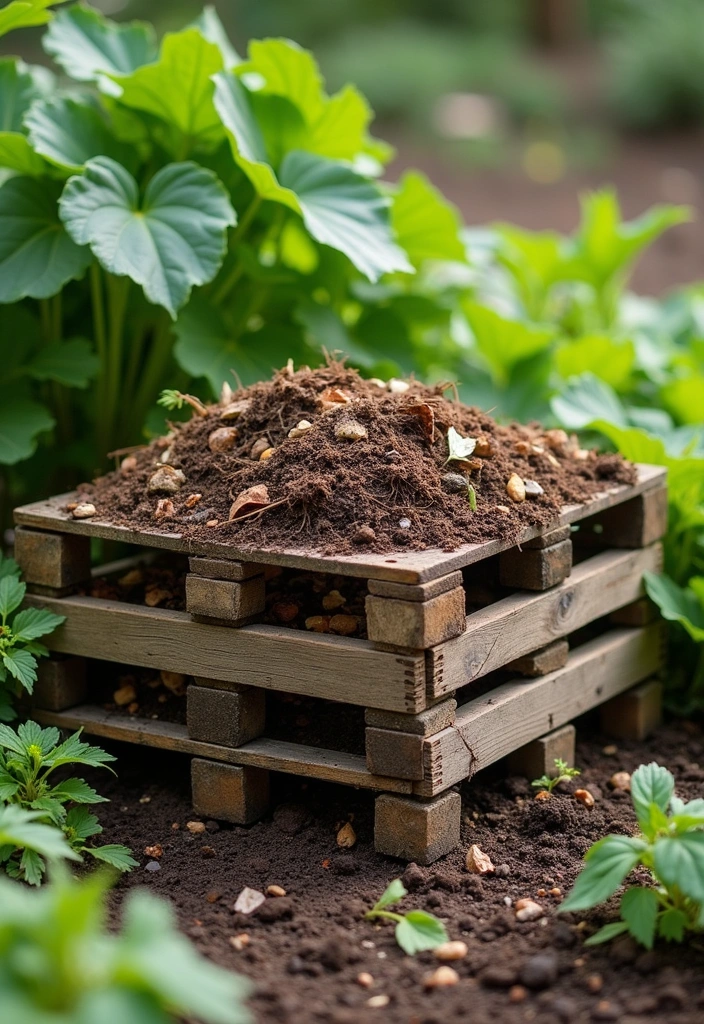
Layer “greens” (vegetable peels, coffee grounds, grass clippings) with “browns” (dried leaves, cardboard, straw) at roughly a 1:2 ratio, and turn the pile every couple of weeks with a garden fork. Keep meat, dairy, and oily foods out — they attract pests and slow the process down.
5. Seed Bombs
Seed bombs are small balls of clay, compost, and native wildflower seed that you can toss into bare patches of soil and walk away from.
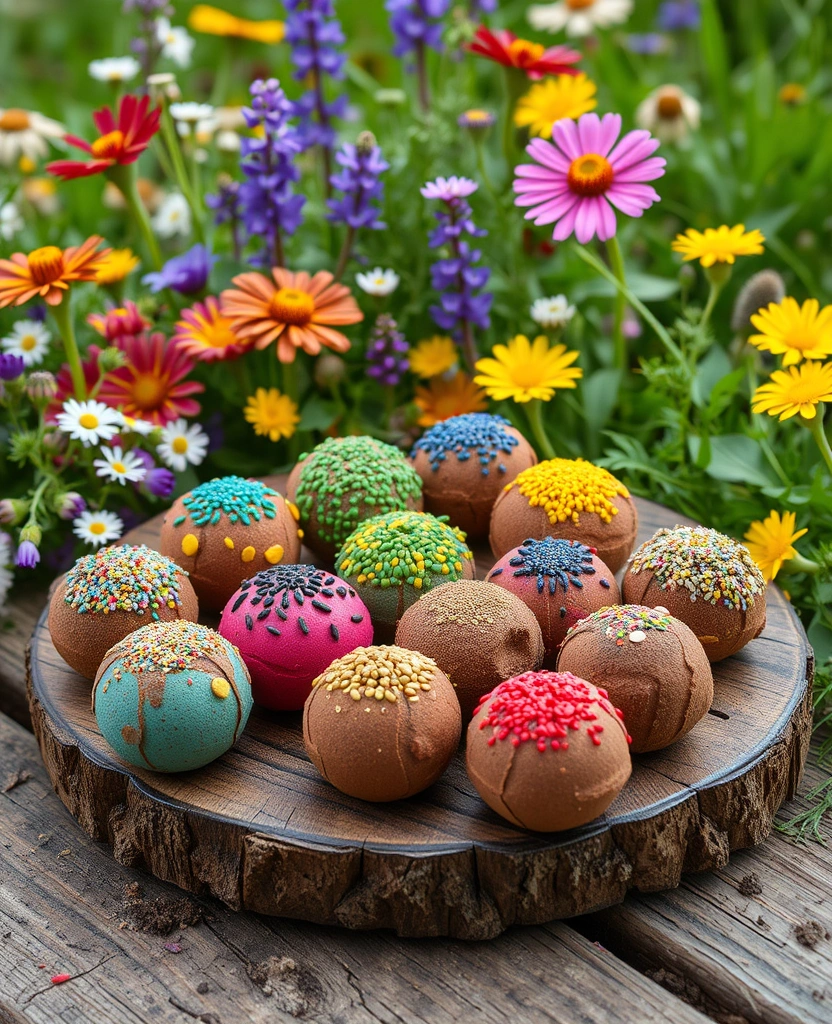
Mix 5 parts clay powder, 3 parts compost, and 1-2 parts seed with just enough water to bind it, then roll into marble-sized balls and let them air-dry for 24 hours. They’re a great low-effort way to fill gaps in a border or revive a neglected corner of the yard — and a fun project to do with kids.
6. Container Gardening
No yard? No problem. A cluster of pots on a balcony or doorstep can grow a surprising amount — tomatoes, peppers, salad greens, and most herbs all do well in containers.
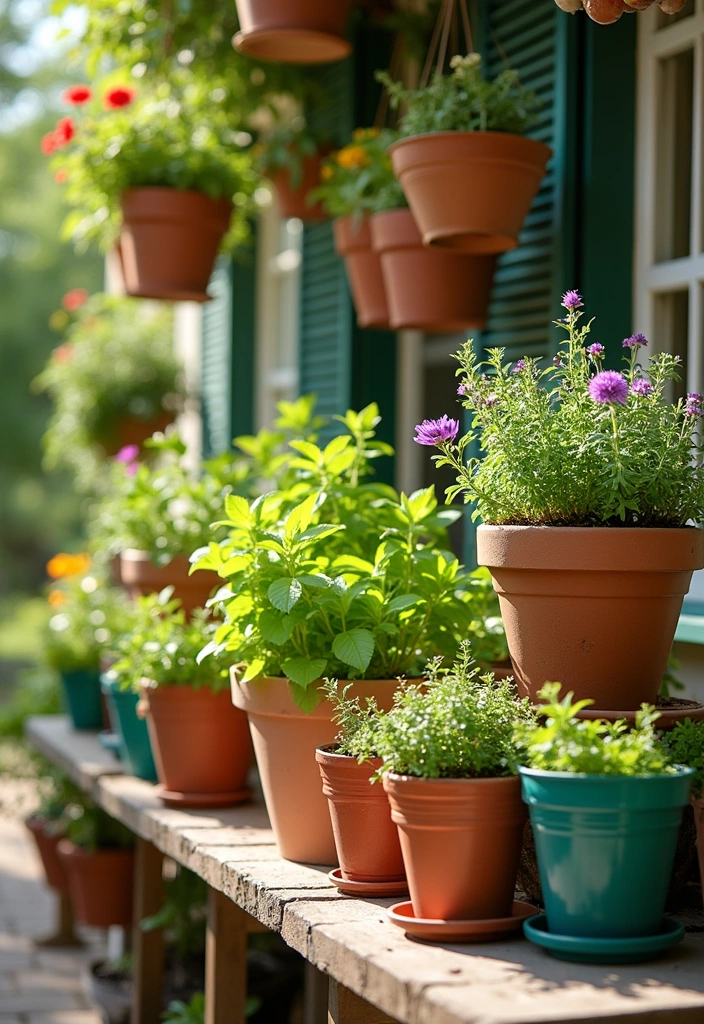
The key is drainage: every container needs holes in the bottom, and a saucer underneath to catch runoff. Terracotta pots dry out faster than plastic, so factor that into your watering schedule.
7. Garden Trellis
A trellis built from bamboo stakes or scrap wood gives climbing plants like peas, beans, and clematis somewhere to go — turning a flat, two-dimensional bed into a layered, vertical space.
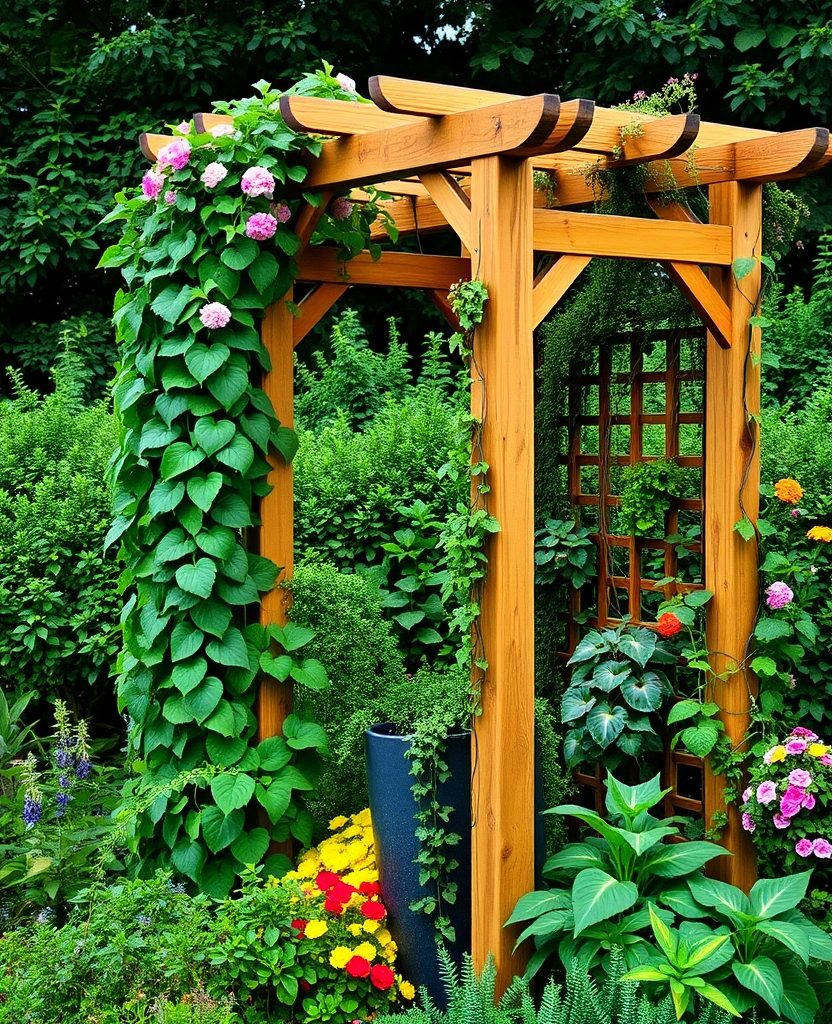
Beyond the space-saving benefit, trellised plants tend to get better airflow and sun exposure, which can mean healthier growth and fewer pest problems than plants left to sprawl on the ground
8. Garden Pathways
A defined path — even a simple one made from gravel, mulch, or reclaimed brick — does double duty: it looks intentional, and it keeps foot traffic off your soil, which prevents compaction around root systems.
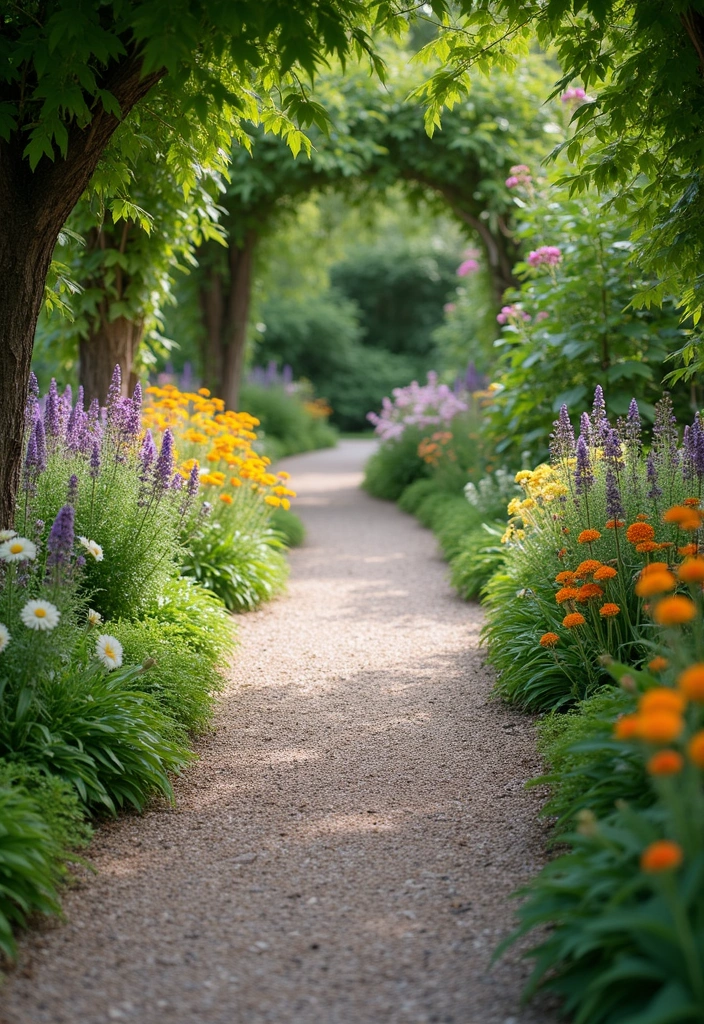
Lay a weed barrier fabric first, then add 2-3 inches of your material of choice. Lining the edges with low-growing plants like creeping thyme softens the look without adding much cost.
9. Make Simple Homemade Plant Fertilizer
Eggshells (calcium), coffee grounds (nitrogen), and banana peels (potassium) are nutrients you’re probably already throwing away.
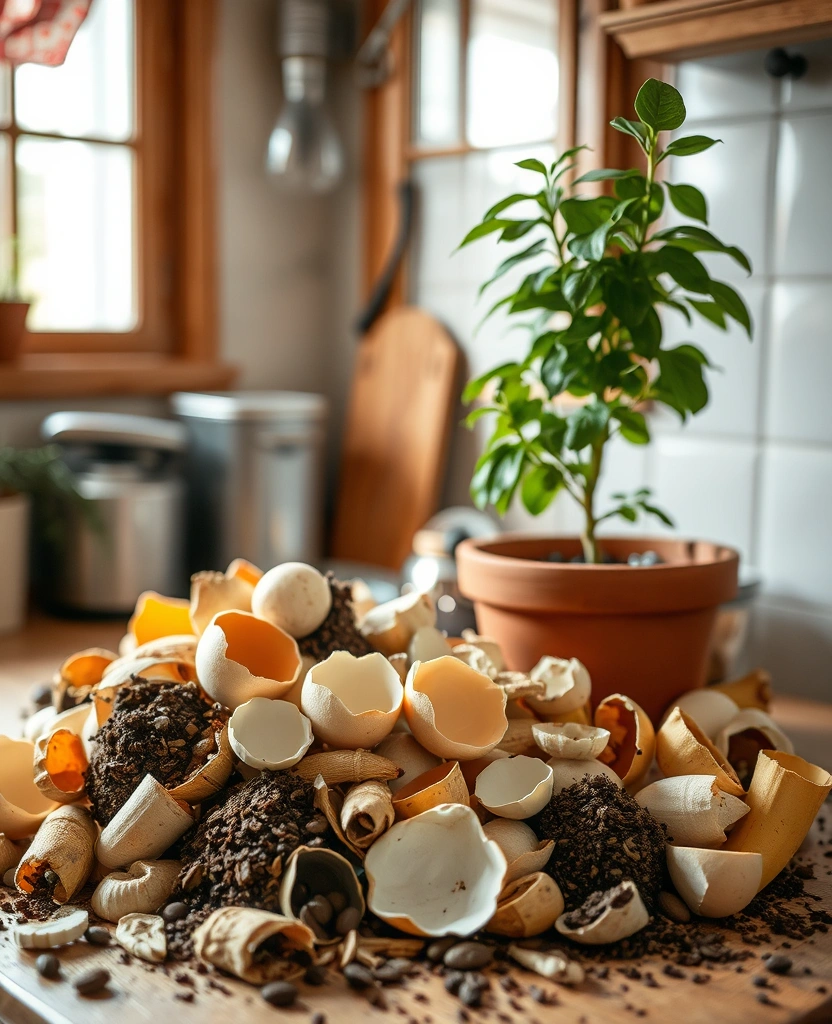
Dry them out completely, then grind into a coarse powder using an old blender or food processor you don’t mind dedicating to the task. Sprinkle a small amount around the base of plants and work it lightly into the topsoil — a little goes a long way, so don’t overdo it.
10. Wildflower Meadow
If you have a patch of lawn you’re tired of mowing, letting it go wild with native wildflower seed is about as low-maintenance as gardening gets.
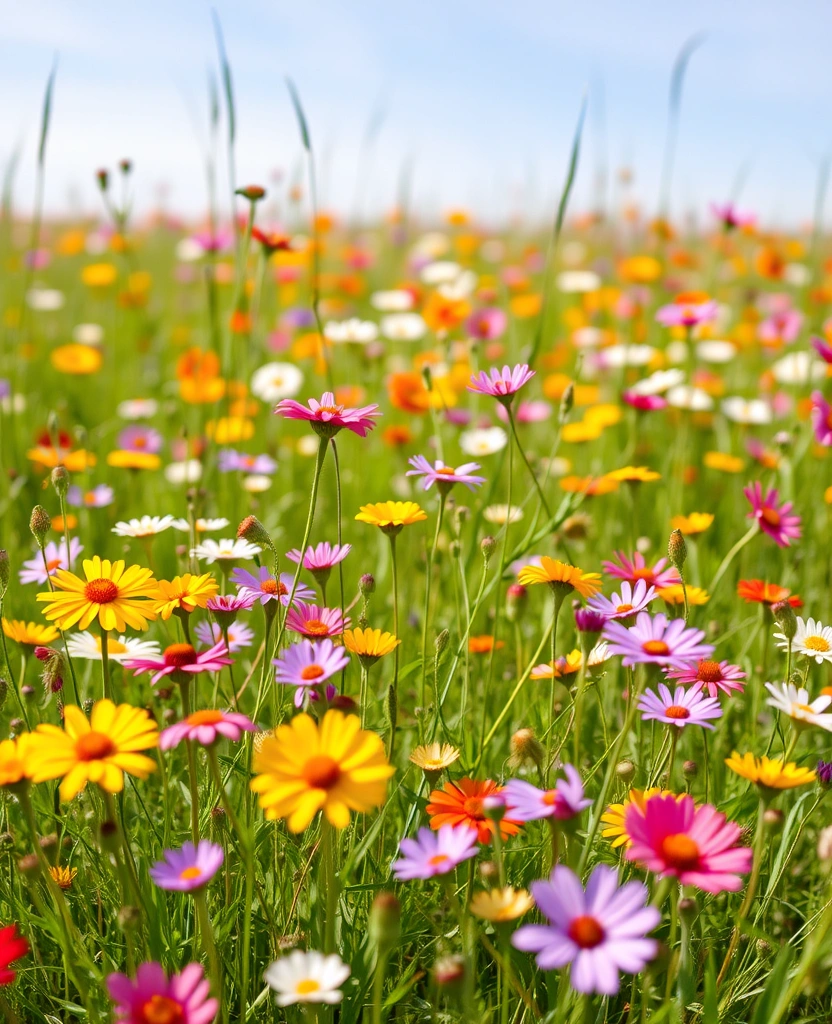
Scatter seed in early spring, water lightly until germination, and then largely leave it alone — most native wildflower mixes are adapted to your regional rainfall and don’t need supplemental feeding. Beyond the visual payoff, a wildflower patch is one of the most effective things a home gardener can do for local pollinators.
11. Create Garden Art From Recycled Materials
Broken pottery, old wine bottles, worn tools, and mismatched tin cans all have a second life as garden art.
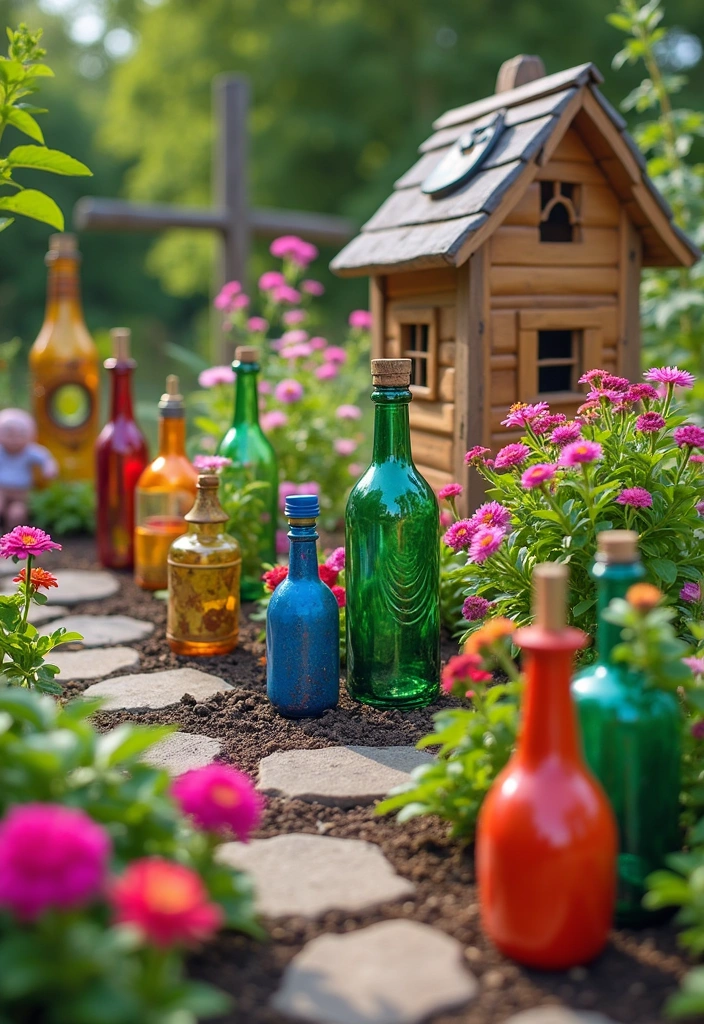
Painted bottles pushed neck-down into a border make a colorful, weatherproof edging. Broken pottery shards can be arranged into a mosaic stepping stone. It’s an easy project to do as a family, and it keeps things out of the trash that would otherwise just be discarded.
Frequently Asked Questions
What’s the cheapest way to start a garden from scratch? Container gardening and upcycled planters are the lowest-cost entry points — you likely already have suitable containers at home, and potting soil is inexpensive relative to building raised beds.
Do seed bombs actually work? Yes, though germination rates are lower than direct sowing since the clay coating protects seeds from birds and wind but also slows initial contact with soil. They work best scattered in early spring on bare, disturbed soil.
How long does homemade compost take to be usable? Typically 2-6 months depending on your climate, how often you turn the pile, and your green-to-brown ratio. Compost is ready when it’s dark, crumbly, and smells earthy rather than sour.
Final Thoughts
You don’t need a big budget to grow a garden you’re proud of. Start with one or two of these projects — an upcycled planter here, a compost bin there — and build from there as you get comfortable. The most sustainable gardens are usually the ones built up gradually, not all at once.



[…] your garden looks messy or uneven, adding mulch can instantly bring everything together. This is one of the most […]