
Nails are a small but important part of our hands and feet. They protect the tips of the fingers and toes and also help with everyday activities. For many people, nails are also an important part of personal beauty and grooming.
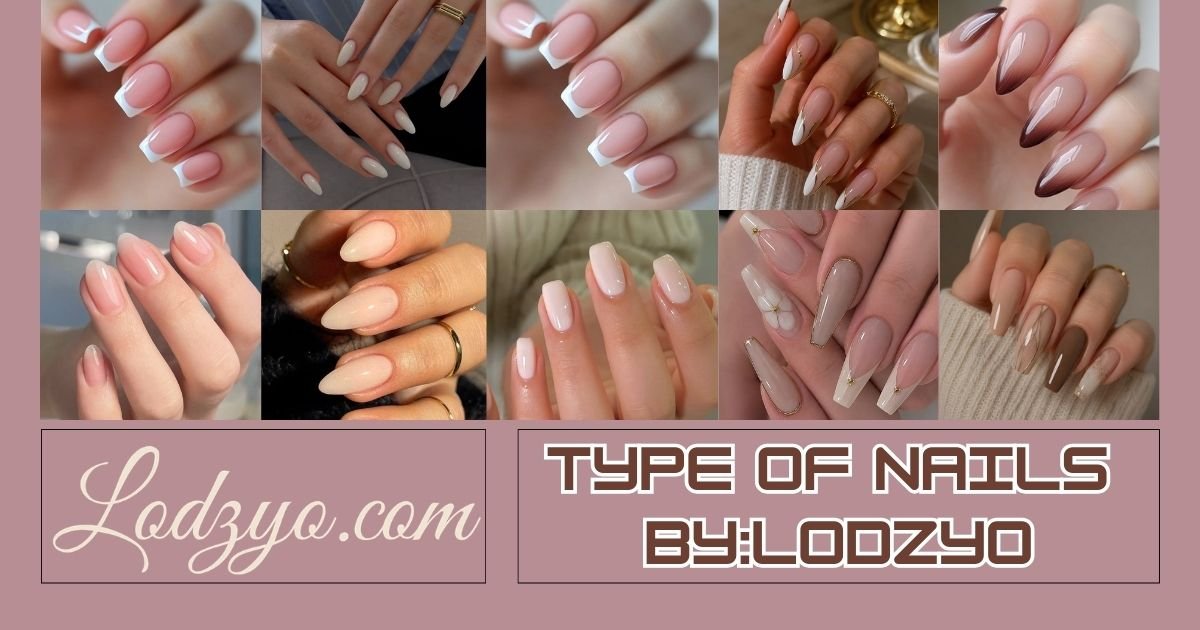
Nails can have different shapes, textures, and strengths. There are also many types of nail enhancements, such as acrylic and gel nails. Understanding the different nail types can help you choose the right style and take better care of your natural nails.
What Are Nails?
Nails are hard structures found at the ends of our fingers and toes. They are made mainly of a protein called keratin, which is also found in hair and skin.
Fingernails protect the fingertips, while toenails protect the toes. Nails also provide support when we do small tasks with our hands.
Nails grow from an area called the nail matrix, which is located near the base of the nail. Fingernails usually grow faster than toenails.
Basic Parts of a Nail
A nail has several important parts. Each part has a different role.
- Nail plate: The hard, visible part of the nail.
- Nail bed: The skin underneath the nail plate.
- Nail matrix: The area where new nail cells are produced.
- Cuticle: The thin layer of skin around the base of the nail that helps protect it.
- Nail folds: The skin around the sides and base of the nail.
- Lunula: The pale, half-moon-shaped area that can sometimes be seen near the base of the nail.
- Free edge: The part of the nail that extends beyond the fingertip.
Knowing these basic nail parts can help you understand how nails grow and how to care for them properly.
Types of Natural Nails
Natural nails can look different from person to person. They can vary in thickness, strength, flexibility, and texture.
Normal Nails
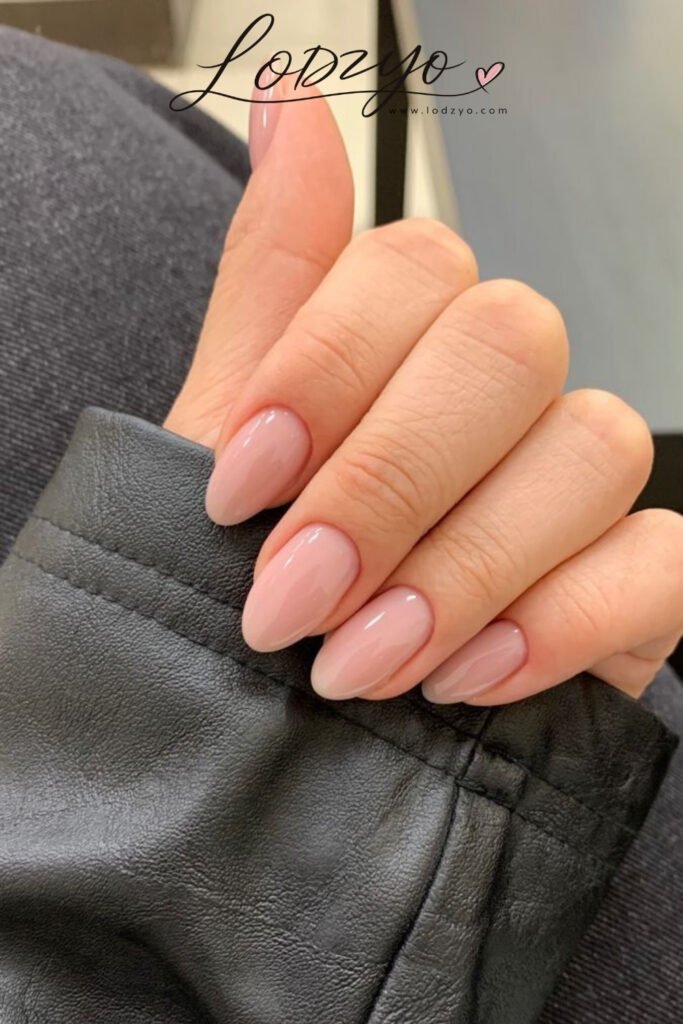
Normal or healthy-looking nails are usually smooth and fairly even. Small differences between nails are normal.
Dry Nails
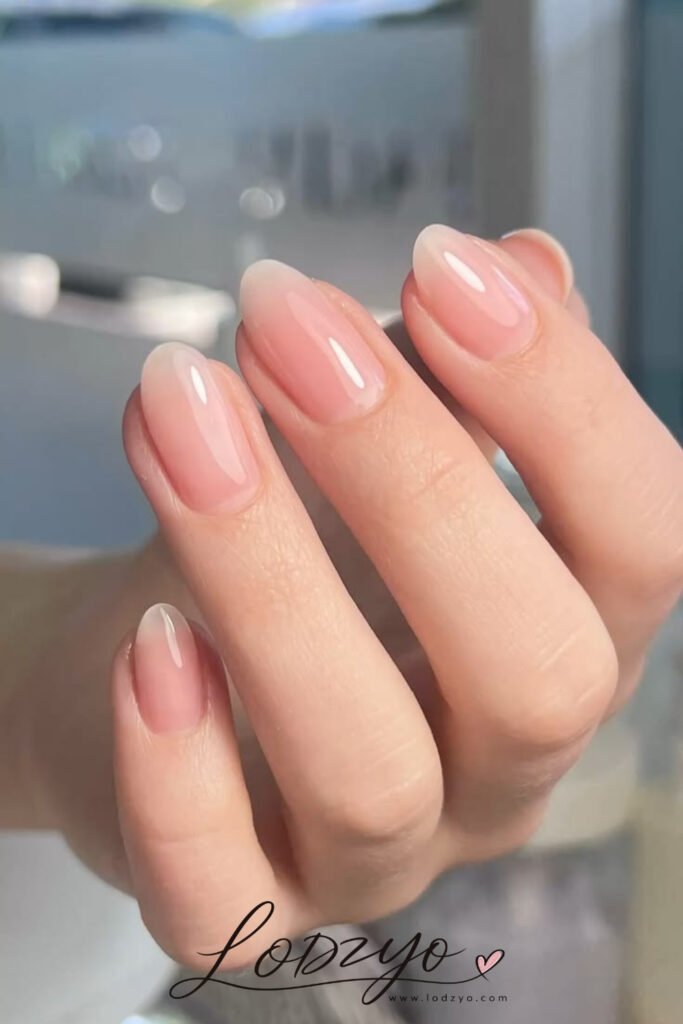
Dry nails may feel rough or look less flexible. Dry weather, frequent hand washing, and exposure to cleaning products can make nails and the surrounding skin feel dry.
Brittle Nails

Brittle nails can break, split, or peel easily. Gentle nail care and avoiding unnecessary damage can help protect them.
Soft or Thin Nails

Some people naturally have soft or thin nails. These nails may bend or break more easily, especially when they are long.
Ridged Nails

Some nails have lines or ridges on their surface. Mild ridges can naturally occur, but unusual or lasting changes should be checked by a healthcare professional.
Popular Nail Shapes

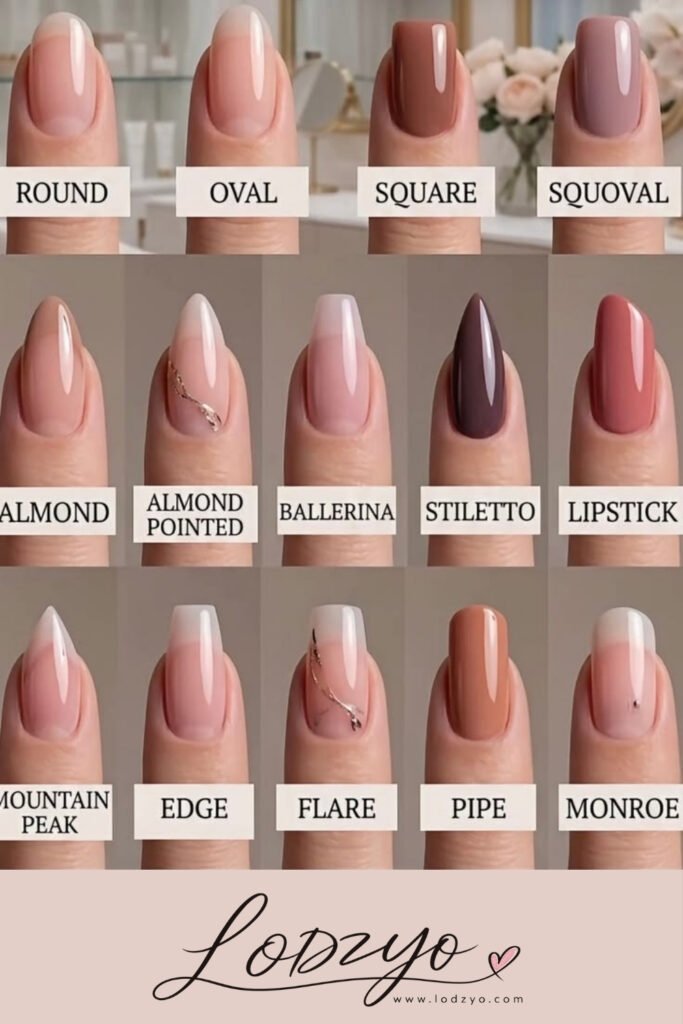
Nail shape can change the overall appearance of your hands. The right shape depends on your natural nails, lifestyle, and personal style.
Round
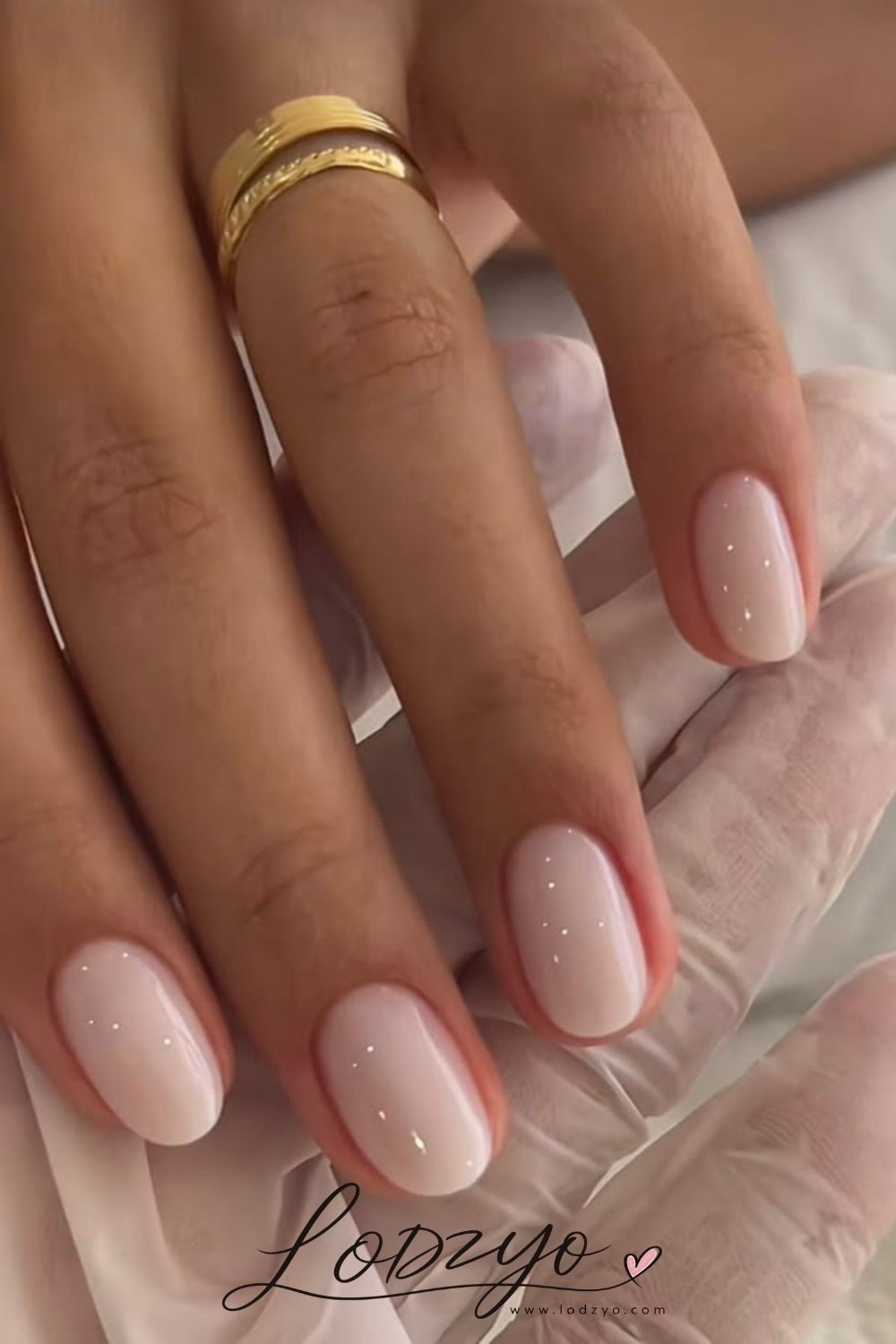
Round nails follow the natural curve of the fingertip. They are simple, practical, and suitable for shorter nails.
Square

Square nails have straight sides and a straight tip. They give a clean and modern appearance.
Squoval
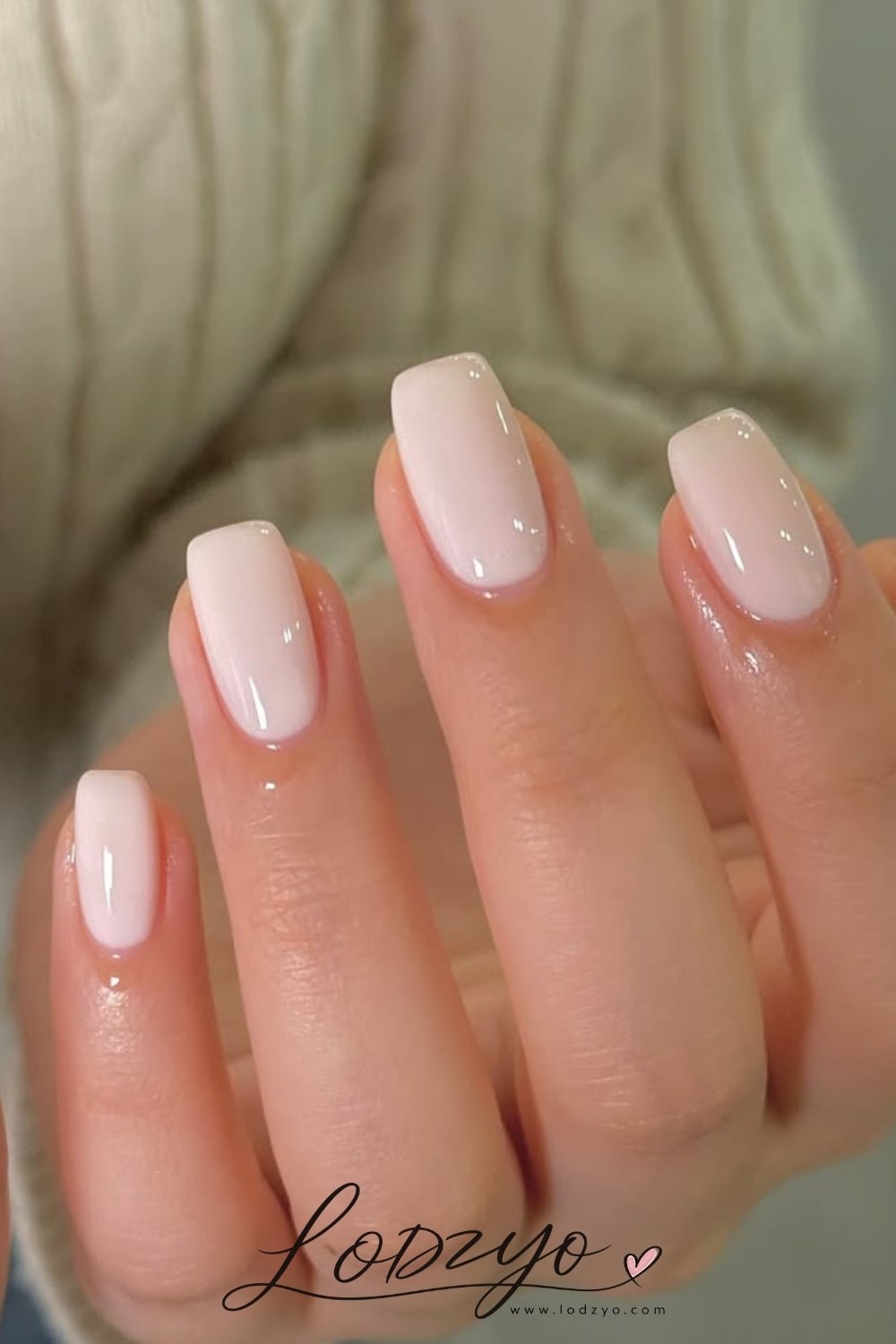
Squoval nails combine square and oval shapes. They have a straight tip with softly rounded corners.
Oval

Oval nails have gently curved sides and a rounded tip. They give the hands a soft and elegant appearance.
Almond
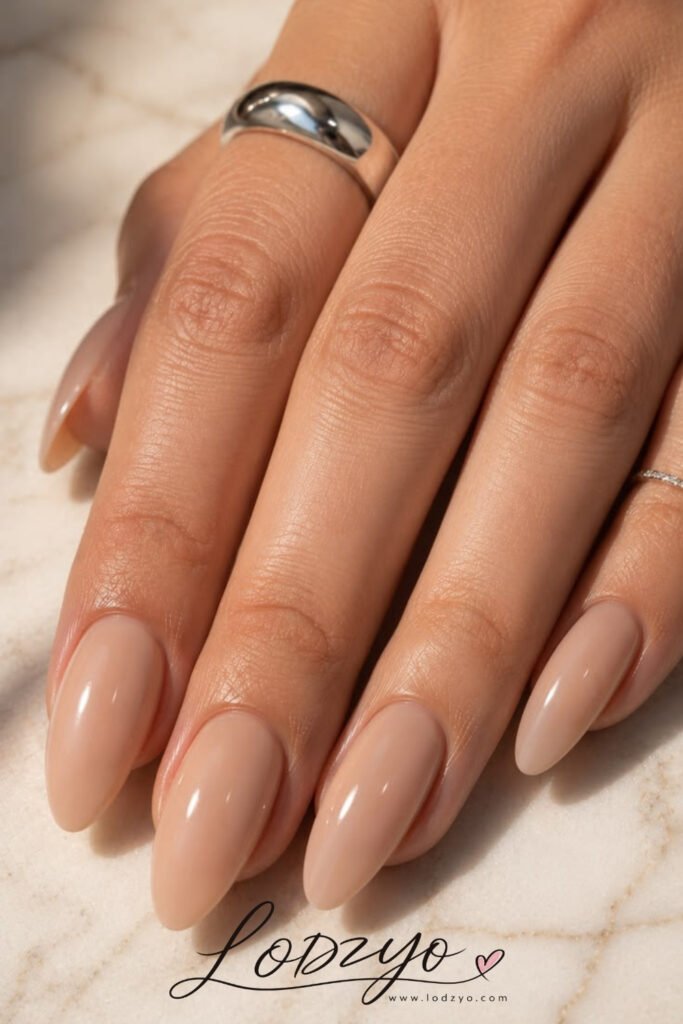
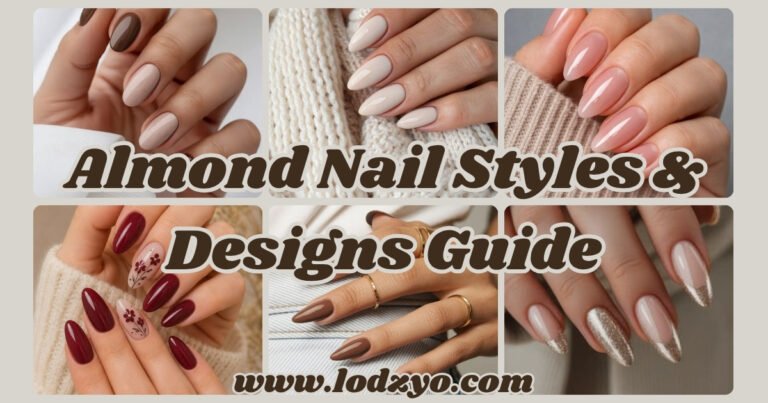
Almond nails are narrow at the tip with a soft point. They are popular for longer nails and elegant nail designs.
Coffin
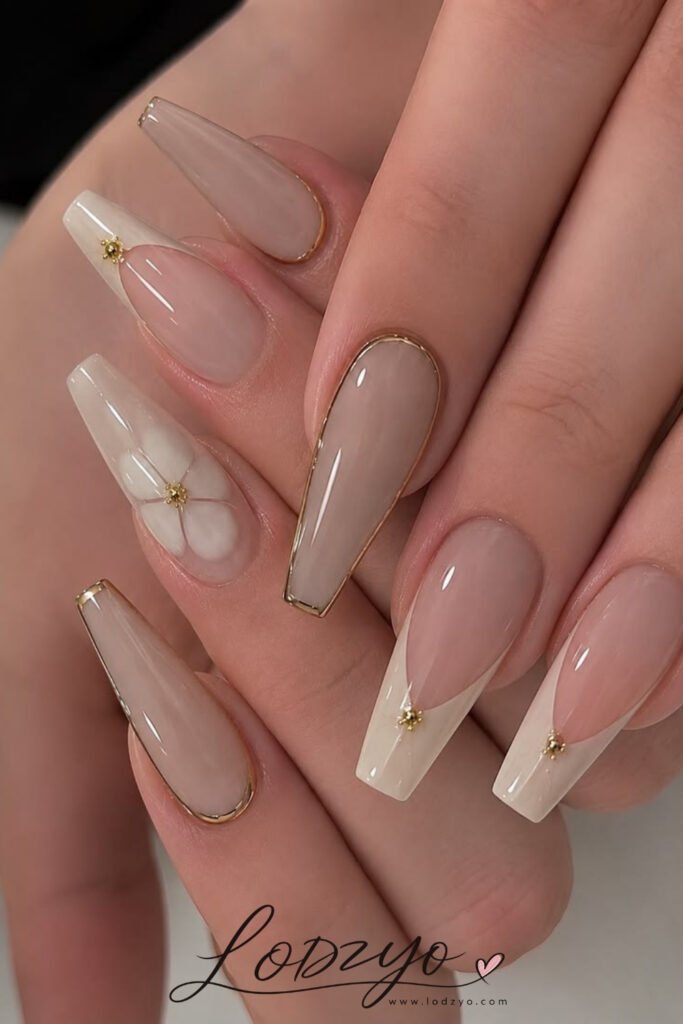
Coffin nails are long, tapered at the sides, and flat at the tip. They are often used for fashionable nail designs.
Stiletto

Stiletto nails are long and sharply pointed. They create a bold and dramatic look.
Types of Artificial Nails
Artificial nails can add length, shape, strength, and style to natural nails. Different types use different materials and methods.
Acrylic Nails
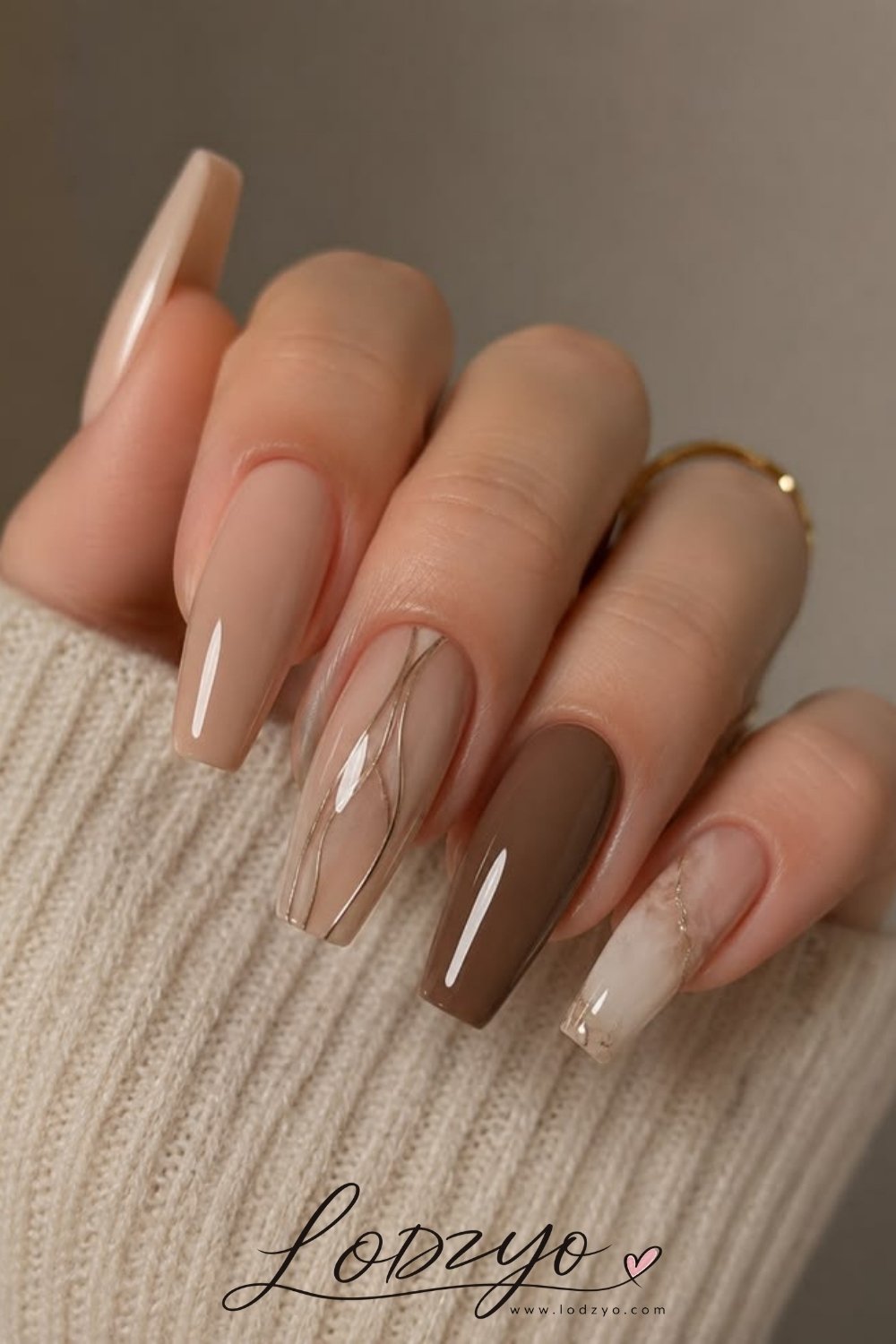
Acrylic nails are made from a liquid and powder mixture that hardens on the nail. They can add length and can be shaped in many different ways.
Benefits:
- Strong and durable
- Good for adding length
- Many shape and design options
Possible drawbacks:
- Need regular maintenance
- Improper removal can damage natural nails
Gel Nails

Gel nails use a gel product that is cured with a suitable light. They can give nails a smooth and glossy appearance.
Benefits:
- Smooth finish
- Many colors and styles
- Can be used on natural nails or for extensions
Possible drawbacks:
- Need careful removal
- Regular maintenance may be required
Gel Extensions

Gel extensions use gel products to add length to natural nails. They can be shaped into styles such as almond, square, or coffin.
Press-On Nails
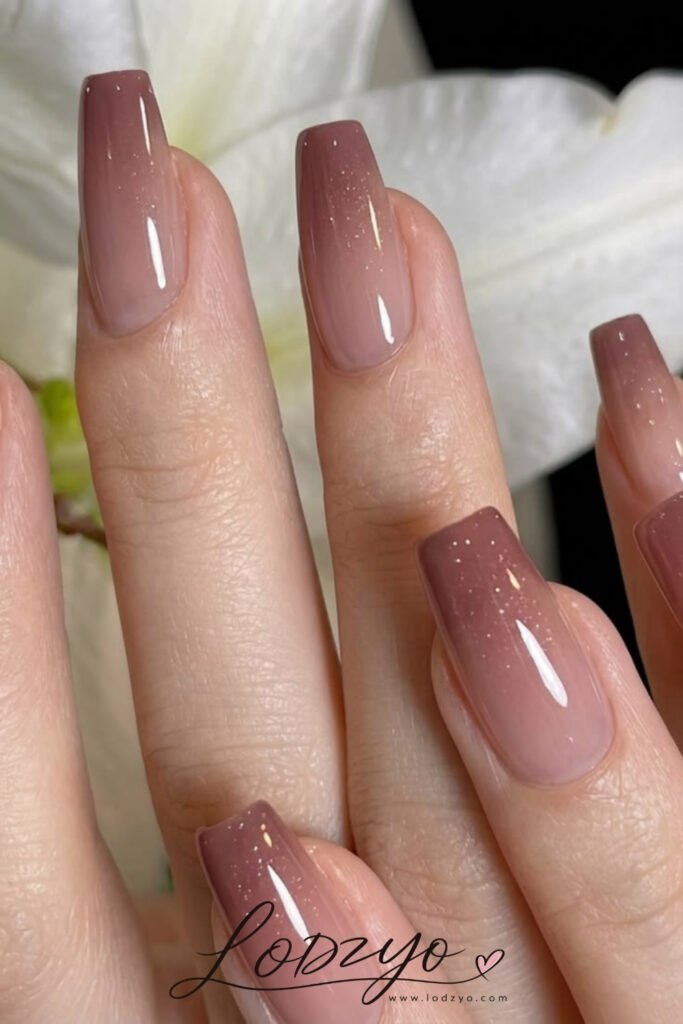
Press-on nails are ready-made artificial nails that are attached using adhesive or nail tabs.
They are a convenient choice for people who want a quick and temporary nail style.
Dip Powder Nails

Dip powder nails use a bonding product and colored powder to create a coating over the natural nail. They are known for their durable finish and wide range of colors.
Builder Gel
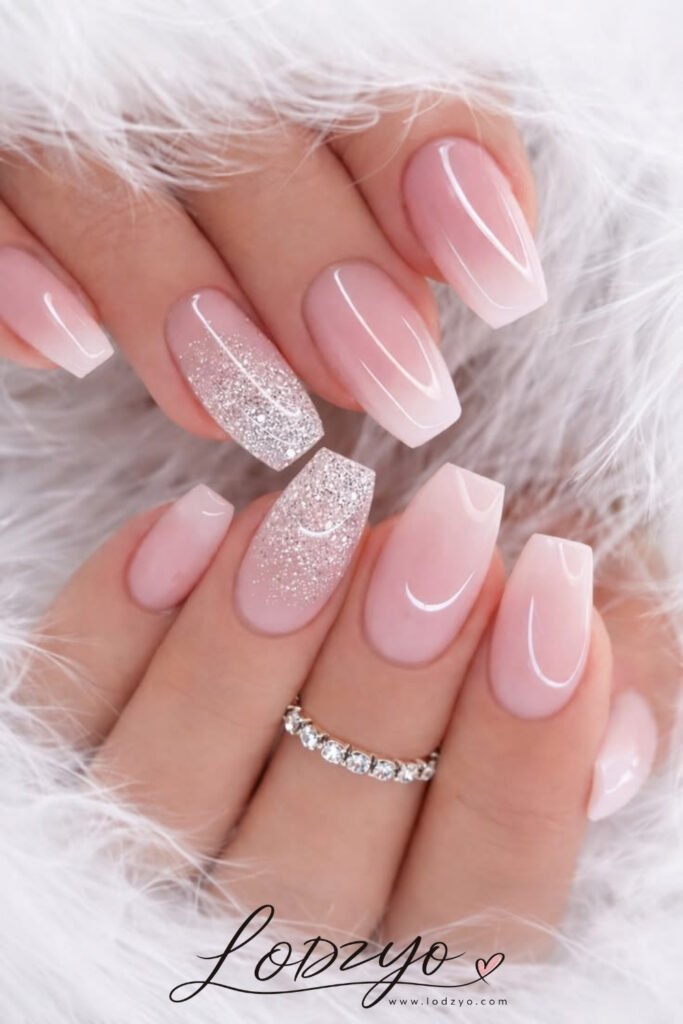
Builder gel is a thicker gel used to add structure and strength to natural nails. It can also be used to create additional length, depending on the product and technique.
Natural Nails vs. Artificial Nails
Natural nails are simple to maintain and do not require artificial products. Artificial nails provide more options for length, shape, and design.
The main differences include:
- Natural nails: Simple, natural, and usually require less maintenance.
- Artificial nails: Offer more length, shape, and design choices but usually need regular maintenance.
- Natural nails: Have their own natural appearance.
- Artificial nails: Can create a more polished or dramatic look.
- Natural nails: Do not require special removal.
- Artificial nails: Should be removed carefully to avoid unnecessary damage.
How to Choose the Right Nail Type
Choosing a nail type depends on your lifestyle and personal preferences.
If you have a busy lifestyle or work with your hands often, shorter natural nails or simple nail shapes may be more practical.
If you want longer nails and more creative designs, acrylic, gel, or other nail extensions may be suitable.
You should also think about:
- Your natural nail strength
- Desired nail length
- Preferred nail shape
- Maintenance time
- Budget
- Daily activities
- The type of look you want
There is no single nail type that is right for everyone. Choose an option that fits your lifestyle and feels comfortable.
Basic Nail Care Tips
Good nail care does not have to be complicated. Simple habits can help keep your nails looking clean and well cared for.
- Keep your nails clean and dry.
- Moisturize your hands and cuticles.
- Avoid biting or picking your nails.
- Trim and file nails gently.
- Do not use your nails as tools.
- Wear gloves when using strong cleaning products.
- Avoid pulling off artificial nails.
- Give damaged nails time to recover.
- Pay attention to unusual or lasting changes in your nails.
If you notice a persistent or unusual change in your nails, it is best to ask a qualified healthcare professional for advice.
Frequently Asked Questions
What are nails made of?
Nails are made mainly of keratin, a strong protein also found in hair and skin.
What are the main types of nails?
Nails can be described by their natural characteristics, such as thin, thick, dry, soft, brittle, or ridged. They can also be classified by shape, such as round, square, oval, almond, coffin, and stiletto.
What is the difference between acrylic and gel nails?
Acrylic nails use a liquid-and-powder system, while gel nails use a gel product that is cured with a suitable light. Both can add strength, length, and style.
Which nail shape is best for short nails?
Round, squoval, and short oval shapes are popular choices for shorter nails. The best shape depends on your natural nail and personal preference.
Can artificial nails damage natural nails?
Artificial nails can contribute to damage if they are applied, maintained, or removed incorrectly. Gentle application and proper removal can help reduce unnecessary damage.
How can I keep my natural nails healthy?
Keep your nails clean, moisturize the surrounding skin, avoid biting and picking, trim them gently, and protect your hands during activities that may cause damage.
Conclusion
Nails protect our fingertips and toes while also adding to the appearance of our hands and feet. They can be natural or enhanced with products such as acrylic, gel, dip powder, and press-on nails.
From round and square nails to almond, coffin, and stiletto shapes, there are many options to choose from. The best choice depends on your lifestyle, natural nail condition, preferred appearance, and maintenance needs.
With simple and gentle nail care, you can keep your natural nails clean, comfortable, and looking their best.